What Printed Materials Does a New Startup Actually Need in Pakistan?
Starting a new business in Pakistan involves more than developing a product or launching a website. Every startup needs a professional identity that customers can recognize and trust. While digital marketing plays an important role, printed materials still support business communication, promotion, sales, and customer experiences. From business cards and brochures to product packaging and branded stationery, the right materials help a startup present itself professionally. However, new business owners do not need to print everything at once. Understanding which materials offer real value can help startups manage their budgets and make smarter printing decisions from the beginning.
Why Do New Startups Still Need Printed Materials?
Digital platforms help businesses reach customers online, but physical marketing materials offer a different kind of experience. Customers can hold a brochure, keep a business card, read a product catalog, or recognize a brand through its packaging.
Printed materials are particularly useful during business meetings, exhibitions, networking events, retail promotions, and product deliveries. They also help startups maintain consistent branding across different customer interactions.
For example, a new clothing brand can use branded packaging and thank you cards to improve its delivery experience. Similarly, a consulting business can use professional business cards and company profiles to build credibility during meetings.
The key is choosing materials that support your actual business activities rather than spending money on unnecessary printing.
1. Business Cards for Professional Networking
Business cards remain one of the most practical printed materials for startups. They provide customers and potential business partners with essential contact information in a compact format.
A professional business card should include your business name, logo, contact number, email address, website, and relevant social media details. You can also include a QR code that directs people to your website or business profile.
Startups should focus on clean layouts and readable text. A simple design with good paper quality often creates a better impression than an overcrowded card.
If your business regularly attends meetings, exhibitions, or networking events, keeping business cards available can make professional introductions easier.
2. Company Brochures to Explain Your Services
A brochure helps explain what your business offers without requiring a long conversation. It gives potential customers a quick overview of your products, services, features, and contact information.
Service based startups can use brochures to explain their packages and business benefits. Product based companies can highlight important product features and available options.
A good brochure should have a clear structure. Use attractive images, short descriptions, readable headings, and a strong call to action. Avoid filling every section with unnecessary information.
Startups can begin with a small batch and increase the quantity when they understand how frequently brochures are distributed.
3. Product Packaging for Ecommerce Startups
Packaging is especially important for startups selling products online or through retail stores. Customers often interact with the packaging before they experience the actual product.
Well designed packaging protects products and creates a recognizable brand identity. It can also improve the unboxing experience and encourage customers to share their purchases with others.
Common packaging materials include:
- Custom product boxes.
- Branded paper bags.
- Product labels and stickers.
- Shipping boxes and mailers.
- Thank you cards and inserts.
Startups should select packaging according to product size, weight, shipping requirements, and budget. Attractive packaging is valuable, but product protection should always come first.
4. Letterheads and Business Envelopes
Professional stationery helps startups maintain a consistent business image. Letterheads and envelopes are useful for quotations, invoices, agreements, official letters, and business communication.
A branded letterhead usually includes the company logo, business name, address, phone number, website, and email address. The design should remain simple so that important information stays easy to read.
Startups that regularly communicate with suppliers, clients, and corporate partners can benefit from professionally printed stationery.
However, businesses that manage most communication digitally can start with a limited quantity and order more when needed.
5. Flyers for Local Marketing Campaigns
Flyers provide an affordable way to promote a new business, special offer, product launch, or local event. They work particularly well for businesses targeting customers within a specific area.
Restaurants can distribute menus and promotional flyers. Retail stores can advertise discounts, while service providers can introduce their services and contact details.
A successful flyer needs a clear message and a visible call to action. Customers should understand what you offer and how they can contact you within a few seconds.
Avoid adding too much text. Use a strong headline, relevant images, essential details, and a simple design.
6. Product Labels and Stickers
Product labels help customers identify products and understand important information. They also make packaging look more organized and professional.
Food businesses may need labels containing product names, ingredients, manufacturing details, and other applicable information. Clothing brands can use size labels and branding stickers, while cosmetics businesses may require product details and packaging labels.
Before printing labels, confirm the product information and applicable labeling requirements. The design should remain readable at the actual printing size.
Stickers can also support branding through logos, promotional messages, packaging seals, and thank you messages.
7. Catalogs for Product Based Businesses
A product catalog allows customers to explore available products in one organized document. It is useful for wholesalers, manufacturers, distributors, furniture businesses, clothing brands, and companies with multiple product categories.
A professional catalog may include product photographs, descriptions, specifications, prices where appropriate, and ordering information.
Startups with a growing product range can use catalogs during sales meetings and business exhibitions. They can also provide printed copies to retailers and potential distributors.
If product details change frequently, consider printing smaller quantities to avoid wasting outdated materials.
8. Invoice Books, Receipt Books, and Order Forms
Although many startups now use digital accounting tools, printed business documents can still be useful for daily operations.
Invoice books and receipt books help businesses maintain transaction records. Order forms can simplify customer requests, while delivery notes can support product dispatch and inventory management.
These materials should have clear fields for customer details, dates, item descriptions, quantities, and payment information.
Choose a practical layout that matches your business process. You can also discuss duplicate or triplicate printing options when multiple copies are required for different records.
9. Presentation Folders for Business Meetings
Startups that work with corporate clients, investors, suppliers, or business partners may benefit from branded presentation folders.
These folders can organize company profiles, proposals, brochures, quotations, and other important documents. A professional design helps create a consistent impression during meetings.
A presentation folder does not need complicated artwork. Your logo, brand colors, and contact information can be enough to create a polished appearance.
10. Event and Promotional Printing Materials
Business exhibitions, trade shows, product launches, and promotional events create opportunities to introduce your startup to new customers.
Depending on the event, you may need:
- Posters and banners.
- Promotional flyers.
- Branded backdrops.
- Business cards.
- Product catalogs.
- Promotional cards and coupons.
The quantity should depend on expected attendance and the event’s purpose. Planning early also gives you enough time to review designs and complete production.
How Should Startups Plan Their Printing Budget?
A new startup should not spend its entire marketing budget on printed materials. Instead, identify the items that directly support sales, customer communication, and daily operations.
For most businesses, business cards, basic stationery, and essential promotional materials provide a practical starting point. Ecommerce companies should also prioritize suitable packaging and product labels.
A simple planning approach can help:
- Identify the printed materials your business needs immediately.
- Separate essential items from optional promotional materials.
- Compare paper quality and printing methods.
- Estimate how quickly you will use each item.
- Start with manageable quantities.
- Review results before placing larger orders.
This approach helps reduce unnecessary stock and keeps printing expenses under control.
Why Choose UOB Printers for Startup Printing Needs?
Choosing the right printing partner can make business setup easier. UOB Printers provides printing solutions for businesses that need professional materials for branding, marketing, packaging, and everyday operations.
Startups can discuss their requirements and select suitable printing options according to their products and budgets. Whether you need business cards, brochures, flyers, catalogs, or customized packaging, planning everything with a professional printing provider can help maintain consistent branding.
UOB Printers can also help businesses explore different paper choices, printing methods, and finishing options. This allows new companies to make informed decisions before confirming an order.
For startups that want to establish a professional identity, quality printing is a useful part of the overall brand strategy.
Where Can Startups Find Printing Services in Pakistan?
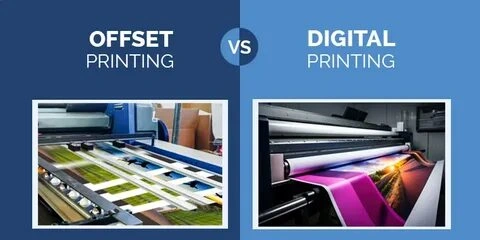
Startups can explore local printing providers based on their location, order quantity, material requirements, and delivery needs. Businesses in Lahore may compare suppliers offering digital printing, offset printing, packaging, and customized stationery.
Before choosing a supplier, review sample quality and confirm the complete quotation. Ask about design support, production time, paper options, finishing, and delivery arrangements.
UOB Printers is an option for startups looking for different printing solutions under one provider. Discussing your requirements in advance can help you select suitable products without exceeding your planned budget.
Final Thoughts
Printed materials continue to support new businesses across Pakistan. They help startups build recognition, communicate professionally, promote products, and improve customer experiences. However, every business has different requirements. Start with essential items such as business cards, brochures, stationery, labels, and packaging. Add catalogs and promotional materials as your business grows. Focus on quality, useful designs, and practical quantities instead of printing everything immediately. UOB Printers can help startups explore professional printing solutions that support their branding and business goals. A well planned printing strategy can create a stronger first impression and support long term growth.
Frequently Asked Questions
1. What printed materials does a new startup need first?
Most startups can begin with business cards, company brochures, letterheads, envelopes, and basic promotional materials. Product based businesses should also consider packaging and product labels.
2. Is printed marketing still useful for startups in Pakistan?
Yes. Printed materials support networking, local promotions, business meetings, exhibitions, product packaging, and customer communication. They can complement digital marketing activities.
3. How can startups reduce printing costs?
Start with essential materials and order quantities based on actual demand. Compare paper options, printing methods, and complete quotations before confirming production.
4. Which printing method is suitable for new businesses?
Digital printing is often useful for smaller quantities and flexible designs. Offset printing may offer better value for larger standardized orders. The right choice depends on the project.
5. Can startups order customized packaging and stationery?
Yes. Startups can customize packaging, labels, business cards, brochures, letterheads, and other materials according to their brand identity and business requirements.