
Retail Box Printing GSM, Lamination & Finishing Options Explained
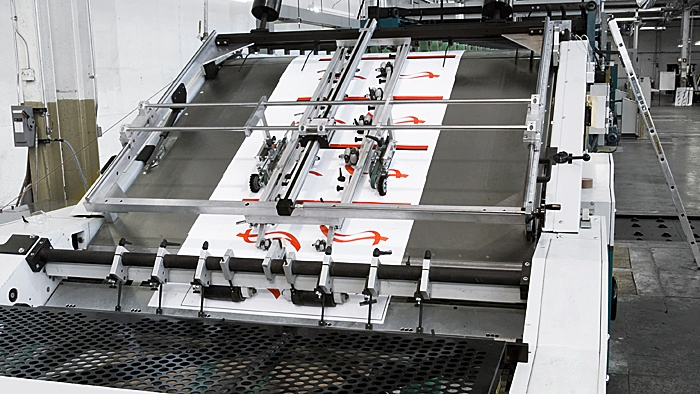
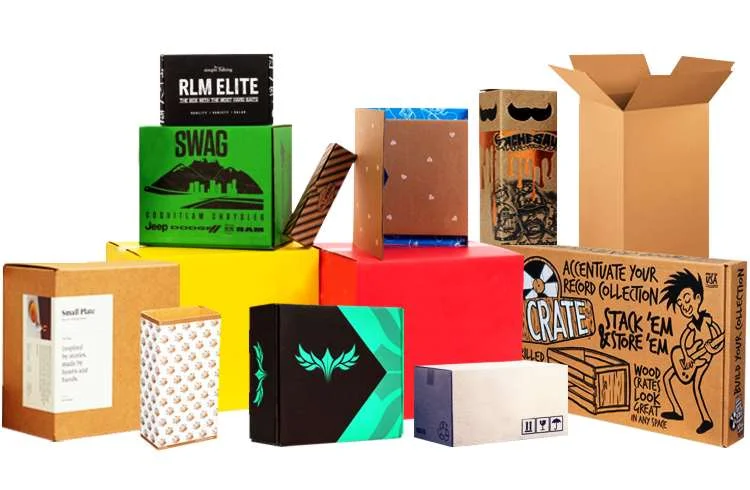
Retail packaging is often the first physical interaction customers have with a product. Before they read the label or try the product, they notice the box, its colors, texture, and overall presentation. A well made retail box can protect the product while also making the brand look more professional. That is why businesses need to consider material quality, GSM, lamination, printing, and finishing before placing a packaging order.
Choosing reliable retail box printing services can make this process easier. An experienced printing company can help you select suitable board, printing methods, coatings, and finishing based on your product and budget. Instead of choosing materials only because they look attractive, you can create packaging that balances durability, appearance, and cost.
What Is GSM in Retail Box Printing?
GSM means grams per square meter. It is a standard measurement used to describe the weight of paper and paperboard. Generally, a higher GSM indicates a heavier and thicker material.
However, GSM alone does not determine how strong a retail box will be. Board type, construction, dimensions, coating, and box style can also affect its durability.
For example, a small lightweight product may not need a very heavy board. A larger or heavier product may require stronger material to maintain its shape during handling and transportation.
Therefore, businesses should select GSM based on the product rather than simply choosing the highest available number.
What GSM Is Best for Retail Boxes?
There is no universal GSM that works for every retail box. The right choice depends on the product, box size, design, and expected handling.
| GSM Range | Common Use | General Benefit |
|---|---|---|
| 250–300 GSM | Lightweight packaging | Flexible and economical |
| 300–350 GSM | General retail packaging | Good balance of weight and appearance |
| 350–400+ GSM | Premium or heavier packaging | Greater rigidity and premium feel |
These ranges are general guidelines rather than strict rules. The actual board structure can significantly change the strength and feel of the finished box.
If you are unsure about the right material, request samples before approving a large production order. Holding a physical sample gives you a better idea of the box’s thickness, rigidity, and overall quality.
Why Does GSM Matter for Packaging?
GSM affects several aspects of your packaging. It can influence how the box feels, how well it holds its shape, and how customers perceive its quality.
A very lightweight material may work perfectly for certain products. However, using insufficient material for a heavier product can result in bending or damage.
On the other hand, choosing unnecessarily heavy material can increase production and transportation costs.
The goal is to find the right balance. Good packaging should provide sufficient protection without adding unnecessary material or expense.
Matte vs Gloss Lamination
Lamination is a protective layer applied over the printed surface of packaging. It can improve durability while changing the visual appearance of the box.
The two most common choices are matte and gloss lamination.
Gloss Lamination
Gloss lamination creates a shiny and reflective surface. It can make printed colors appear brighter and images more vibrant.
This option can work well for colorful products, promotional packaging, cosmetics, food products, and children’s items.
The main drawback is that glossy surfaces can create reflections under strong lighting. Fingerprints may also become more noticeable on some finishes.
Matte Lamination
Matte lamination creates a smooth surface with much less reflection. It often gives packaging a sophisticated and modern appearance.
It can be particularly suitable for premium products, corporate packaging, cosmetics, and minimalist brand designs.
Matte finishes can also make packaging feel softer and more refined when customers handle the box.
Which Lamination Should You Choose?
The answer depends on your brand and product.
Choose gloss lamination when you want brighter colors and a vibrant appearance. Choose matte lamination when you prefer a subtle, elegant, and modern look.
Neither option is automatically better. The right choice should support the product’s positioning and overall packaging design.
What Are Custom Retail Boxes?
Standard packaging does not always fit every product. Businesses may need specific dimensions, shapes, colors, or structural features to present their products properly.
Custom retail boxes allow brands to create packaging according to their specific requirements. You can choose the box dimensions, artwork, material, printing method, and finishing.
Custom sizing can also reduce unnecessary empty space around a product. This can improve presentation and may make storage and transportation more efficient.
For brands competing on retail shelves, custom packaging can also help create a distinctive visual identity.
Popular Retail Box Finishing Options
Finishing can make a significant difference to the final appearance of packaging. However, businesses should choose finishes based on purpose rather than adding effects simply because they are available.
Popular options include:
- Matte lamination
- Gloss lamination
- Spot UV
- Foil stamping
- Embossing
- Debossing
- Die cutting
- Raised finishing
- Window cutouts
Each option creates a different effect.
Spot UV
Spot UV adds a glossy coating to selected parts of the design. It can be used on logos, product names, patterns, or specific images.
This technique works especially well when you want contrast between matte and glossy areas.
Foil Stamping
Foil stamping can add metallic details to packaging. Gold, silver, and other foil effects can create a premium appearance.
It is often used for logos, product names, borders, or decorative elements.
Embossing and Debossing
Embossing raises selected elements from the surface, while debossing creates an impression into the material.
Both techniques add physical texture and can make packaging more memorable when used carefully.
How to Choose the Right Finishing
The best finishing option depends on your product category and brand image.
A luxury product may benefit from foil stamping and embossing. A modern cosmetic brand may prefer matte lamination with subtle spot UV. A colorful consumer product may work better with vibrant printing and gloss lamination.
You do not need to use multiple finishing techniques together. Sometimes a simple combination creates a stronger result than an overloaded design.
The finish should support your packaging rather than distract customers from the product.
Packaging Design Matters Too
Good material and finishing cannot fix a weak design. The artwork needs to communicate the product clearly while maintaining a professional appearance.
Your product name should be easy to identify. The logo should remain visible without taking over the entire box. Important information should have enough space around it.
Typography is equally important. Decorative fonts may look attractive, but readability should always come first.
Images should also have suitable resolution for the printing process. Blurry graphics can make otherwise professional packaging look cheap.
Before production, carefully check spelling, product details, colors, dimensions, and other important information.
Offset or Digital Printing for Retail Boxes?
The right printing method depends on the project.
Offset printing can be useful for larger production quantities where consistent color reproduction and efficient unit costs matter. Digital printing can be practical for smaller quantities, shorter runs, prototypes, or projects that require frequent design changes.
Your printing provider can recommend the appropriate option after considering quantity, artwork, material, and budget.
For businesses producing packaging regularly, it can also make sense to compare the total production cost rather than focusing only on the printing price.
How to Reduce Retail Packaging Costs
High quality packaging does not always mean choosing the most expensive option.
Start by identifying what your product actually requires. You may not need premium finishing if the packaging is designed for everyday consumer goods.
Choosing an appropriate GSM can also help control material costs. Similarly, selecting the right box dimensions can reduce unnecessary material usage.
Ordering the correct quantity is another important consideration. Large orders may reduce the cost per box, but producing more packaging than you can use may create storage problems.
A good printing partner can help you find a balance between appearance, protection, quantity, and budget.
Why Choose Uob Printers for Packaging?
Businesses should work with a printing provider that understands both the technical and visual sides of packaging production.
Uob Printers can be considered by businesses looking for professional printing support in Pakistan. When discussing a packaging project, provide details about the product size, expected quantity, preferred material, design requirements, and finishing preferences.
It is also useful to request a physical sample before approving a large order. A sample lets you check the GSM, print quality, color accuracy, lamination, finishing, and overall box structure.
This simple step can help prevent costly mistakes during full production.
Retail Box Printing Checklist
Before sending your packaging for production, review these important points:
- Confirm the exact box dimensions.
- Select suitable paperboard or cardboard.
- Choose an appropriate GSM.
- Decide between matte and gloss lamination.
- Select finishing based on your brand.
- Check image resolution.
- Review colors and typography.
- Proofread all product information.
- Confirm the required quantity.
- Request a physical sample when possible.
Taking these steps before production can save time and reduce avoidable errors.
Final Thoughts
Retail packaging needs to do several jobs at once. It should protect the product, represent the brand, attract attention, and provide a positive experience for customers.
GSM affects the weight and material characteristics of the box. Lamination influences both protection and appearance, while finishing techniques can add texture and visual interest.
The best packaging is not necessarily the thickest or most expensive. It is the packaging that matches the product, audience, brand, and budget.
Before ordering, compare materials, request samples, review the artwork, and discuss your requirements with an experienced printing provider. With the right combination of GSM, lamination, design, and finishing, your retail boxes can look professional while providing practical protection for the products inside.
Frequently Asked Questions
What GSM is best for retail packaging?
There is no single best GSM for every product. Around 300 to 350 GSM can work for many general packaging applications, while heavier products may require stronger board. The final choice depends on the material structure and product requirements.
Is matte or gloss lamination better?
Gloss creates a shiny and vibrant appearance, while matte provides a softer and more premium look. The better option depends on the product, design, and brand identity.
Does higher GSM mean better packaging?
Not necessarily. Higher GSM generally means heavier material, but packaging performance also depends on board type, construction, dimensions, and finishing.
Which finishing is best for luxury packaging?
Foil stamping, embossing, spot UV, and premium matte finishes are common choices for luxury packaging. The best combination depends on the design and product positioning.
Can custom boxes reduce packaging waste?
Yes. Properly sized packaging can reduce unnecessary empty space and material usage. However, the box must still provide adequate protection for the product.