
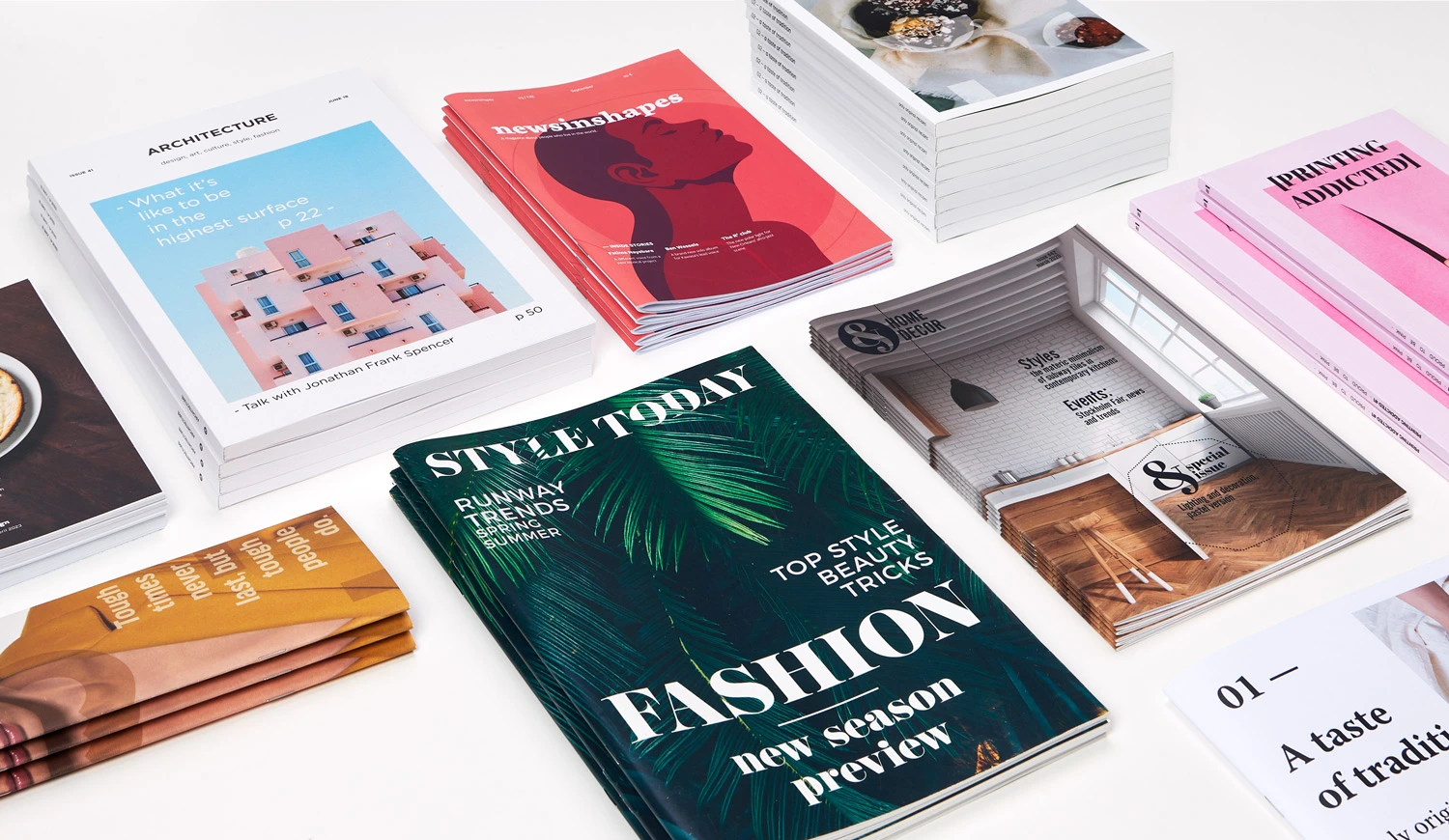
Magazine Printing in Pakistan Paper Binding & Quantity Guide
A professionally printed magazine can give a business, organization, or publication a strong physical presence. While digital content continues to grow, printed magazines still offer a personal reading experience that websites and social media cannot fully replace. The right paper, binding style, page layout, and quantity can make a major difference in how readers perceive the final product. For businesses in Pakistan, understanding these choices before placing an order can help control costs while maintaining professional quality.
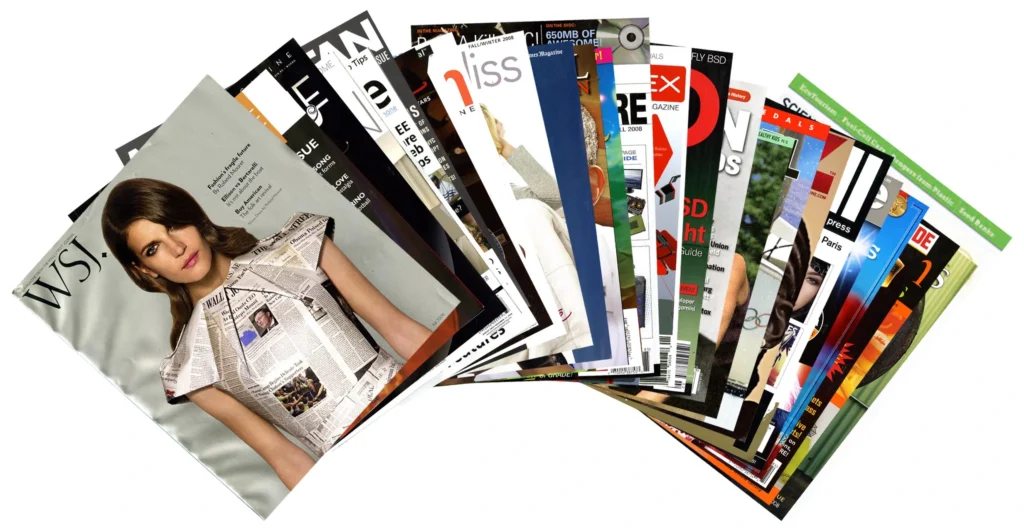
Choosing reliable Magazines Printing Services is an important part of producing a successful publication. However, printing is only one part of the process. You also need to consider the purpose of your magazine, target audience, number of pages, paper quality, finishing options, and expected quantity. Making these decisions early can prevent unnecessary expenses and help you create a publication that looks professional from the first page to the last.
What Should You Consider Before Printing a Magazine?
Before sending your magazine for printing, define its purpose. A company magazine may require a different approach than a fashion publication, school magazine, industry journal, or promotional booklet.
Start by deciding who will read the publication. Your audience can influence everything from paper selection to design style.
You should also determine:
- Number of pages
- Finished magazine size
- Paper type
- Cover material
- Binding method
- Printing colors
- Required quantity
- Delivery requirements
Having these details ready makes communication with your printer much easier.
Choosing the Right Paper for Your Magazine
Paper affects both appearance and reading comfort. Therefore, it should match the type of magazine you want to produce.
Glossy Paper
Glossy paper provides a smooth and vibrant surface. It works particularly well for magazines that depend heavily on photography and colorful graphics.
Fashion, lifestyle, travel, food, and product focused publications can benefit from its visual appeal.
However, glossy surfaces can sometimes create reflections under strong lighting. Consider where readers will use the magazine before choosing this option.
Matte Paper
Matte paper has a softer and less reflective finish. It provides a comfortable reading experience and can give the publication a sophisticated appearance.
It works well for business magazines, professional publications, educational content, and magazines containing substantial amounts of text.
Uncoated Paper
Uncoated paper has a natural texture and does not have the smooth coating found on glossy or matte stock. It can create a simple and traditional appearance.
This option may suit community publications, newsletters, literary magazines, and publications that want a more natural feel.
How Does Paper Thickness Affect Magazine Quality?
Paper thickness influences how durable and premium a magazine feels.
Thin paper can help reduce the overall weight and may work well for publications with many pages. Thicker paper creates a more substantial feel and can be particularly useful for covers.
You do not necessarily need the thickest paper available. Instead, select a weight that matches your magazine’s purpose, page count, and budget.
A balanced combination often works best. For example, you might use a stronger stock for the cover and a lighter stock for the inside pages.
Choosing the Right Binding Method
Binding keeps the pages together and affects the overall appearance of the magazine. Different formats work better for different page counts and budgets.
Saddle Stitching
Saddle stitching uses folded pages secured with staples along the center. It is a popular option for magazines with a relatively small number of pages.
It offers a clean appearance and can be a practical choice for promotional publications, event magazines, and company issues.
Perfect Binding
Perfect binding uses adhesive to attach the pages to a separate cover. It creates a flat spine and gives the publication a more book like appearance.
This method can work well for thicker magazines, professional publications, catalogs, and premium business material.
Spiral Binding
Spiral binding uses a coil through punched holes along the edge of the pages. It allows the magazine to open easily and remain relatively flat.
This option can be useful for manuals, guides, workbooks, and publications that readers need to reference frequently.
The best binding choice depends on your page count, intended use, appearance, and budget.
Magazines Printing: How Many Copies Should You Order?
Quantity is one of the most important decisions in a printing project. Ordering too many copies can create unnecessary storage costs, while ordering too few can lead to repeated printing expenses.
Start by estimating how many readers or customers will receive the magazine. If you are producing a company publication, consider employees, clients, business partners, and event visitors.
For an event, estimate expected attendance and add a reasonable number of extra copies.
If you are testing a new publication, a smaller initial order can help you understand demand before committing to a larger quantity.
For an established publication with predictable demand, a larger order may provide better value depending on the printer’s pricing structure.
Does Larger Quantity Always Reduce Printing Costs?
Not necessarily in every situation, but printing costs often become more economical per copy as quantity increases.
This is why businesses should estimate their realistic requirements before ordering.
For example, ordering significantly more copies than you can distribute may not be worthwhile simply to reduce the unit cost. Storage, transportation, and unused inventory can offset those savings.
The goal should be to find a quantity that balances printing efficiency with actual demand.
Design Considerations Before Printing
A strong magazine needs more than good paper. The design should make information easy to read while supporting your brand identity.
Use consistent fonts, headings, image styles, and spacing throughout the publication. Keep important information visually clear and avoid overcrowding pages.
High resolution images are particularly important when printing photographs. Low quality images may appear acceptable on a computer screen but look blurry when printed.
You should also check margins, page numbers, image placement, and color consistency before approving the final file.
Why Proofreading Matters
A small spelling mistake can damage an otherwise professional publication. Always review the final document carefully before printing.
Check names, telephone numbers, website addresses, prices, dates, headings, captions, and contact information.
It is also helpful to have another person review the final proof. A fresh pair of eyes can identify errors that the original writer or designer may overlook.
Once a large quantity has been printed, correcting an error can become expensive.
How to Choose a Printing Company in Pakistan
When comparing printing companies, do not focus only on the quoted price. Look at the complete service and production quality. Uob Printers is one option businesses can consider when looking for professional printing solutions for magazines and other marketing materials.
Ask about paper options, binding methods, color quality, finishing choices, proofing, delivery, and turnaround times. It is also worth checking whether the printer can handle your required quantity without compromising the final quality.
It can help to request a sample before placing a large order. A physical sample lets you evaluate the paper texture, image quality, colors, and overall finish.
How Can Businesses Save Money Without Reducing Quality?
Cost control does not always mean choosing the cheapest paper or simplest finish.
Instead, focus on where quality matters most. For example, you might use a stronger cover while selecting a practical paper for internal pages.
Planning your page count carefully can also prevent unnecessary expenses. Avoid adding empty or weak pages simply to increase the publication length.
Ordering an appropriate quantity and finalizing the design before production can further reduce waste.
Most importantly, compare the complete quotation rather than looking at the basic printing price alone.
Final Checklist Before Sending Your Magazine to Print
Before approving the final production file, review the entire project one last time.
Make sure the following details are correct:
- Final page count
- Magazine dimensions
- Paper selection
- Cover design
- Binding method
- Image resolution
- Spelling and grammar
- Contact information
- Page order
- Quantity
- Delivery details
This final check can prevent expensive production mistakes and ensure the finished magazine meets your expectations.
Conclusion
Magazine printing involves several decisions beyond simply putting pages on paper. Paper quality, binding, quantity, design, and finishing all influence the final result. Businesses and organizations should consider their audience and purpose before selecting each option.
A well planned publication can look professional without unnecessary expenses. Choose materials that support your content, select a binding method that suits the page count, and order a quantity based on realistic demand. With careful planning and professional production, your magazine can create a strong physical representation of your brand and provide readers with an engaging experience.
Frequently Asked Questions
Which paper is best for magazine printing?
Glossy paper works well for image heavy publications, while matte paper can provide a comfortable reading experience. The best choice depends on your content, audience, and desired appearance.
Which binding is best for magazines?
Saddle stitching is suitable for many thinner magazines, while perfect binding can provide a more premium appearance for thicker publications. The ideal choice depends on page count and intended use.
How many magazines should a business print?
The right quantity depends on your audience, distribution plan, event size, and expected demand. Start with a realistic estimate rather than ordering more copies than you can distribute.
What should I check before printing?
Review the page count, paper, binding, image quality, spelling, contact details, colors, and final layout. Requesting a physical proof can also help identify problems before full production